
Physical access controller strategies face new demands
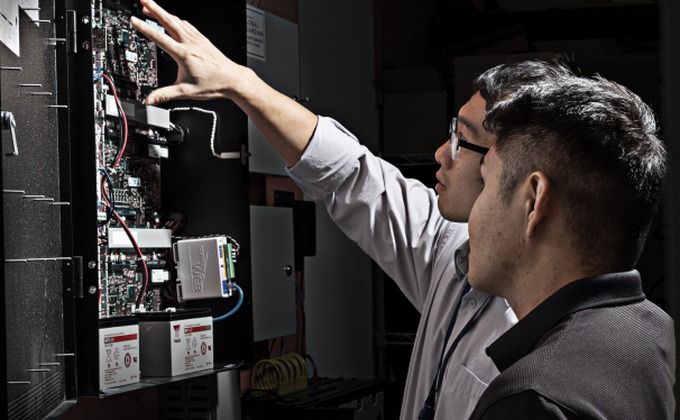
Physical access controllers are taking on a broader role as organizations plan for interoperability, cloud connectivity, mobile credentials and emerging AI capabilities.
Mercury Security’s latest research shows that controller selection is becoming a long-term physical security infrastructure decision rather than a standalone hardware purchase. According to the 2026 Trends in Access Controllers Report, 78% of respondents consider the controller important or critical to their physical access control system strategy, up from 72% in 2025. The survey covered 561 security professionals.
78% of respondents consider the controller important or critical to their physical access control strategy, up from 72% in 2025.
Physical access controllers take on a wider role
Modern controllers increasingly connect readers, biometric devices, credential platforms and surveillance systems. Mercury said this is making controller selection more important to the overall physical security architecture. Interoperability was a critical procurement factor for 69% of respondents. In addition, 82% said backward and forward compatibility is important for future infrastructure planning.
69% say interoperability is critical in controller procurement, while 82% consider backward and forward compatibility important for future planning.
Mobile credentials are also influencing controller decisions. Half of respondents already use or plan to adopt mobile solutions, while 46% ranked mobile credential integration among their leading purchase trends.
Cloud and cyber requirements reshape planning
Cloud connectivity was cited by 56% of respondents as a top purchase driver, up from 50% in 2025. However, only 41% said their current controllers are cloud-enabled.
56% cite cloud connectivity as a top purchase driver, but only 41% say their controllers are currently cloud-enabled.
Cybersecurity is also becoming a more important factor in physical access controller selection. Some 32% of respondents said cybersecurity features are missing from their current systems, compared with 21% in 2025.
AI-related applications are adding further infrastructure demands. Behavioral analysis and anomaly detection rose from 44% in 2025 to 56% this year, while 60% cited facial recognition as a use case likely to affect physical access control.
Mercury said the findings show that organizations increasingly need to treat physical access controller selection as a strategic infrastructure decision, balancing current requirements with future integration, lifecycle support and new security capabilities.