
IDEMIA Launches MFACE Gen2 for Border Biometrics
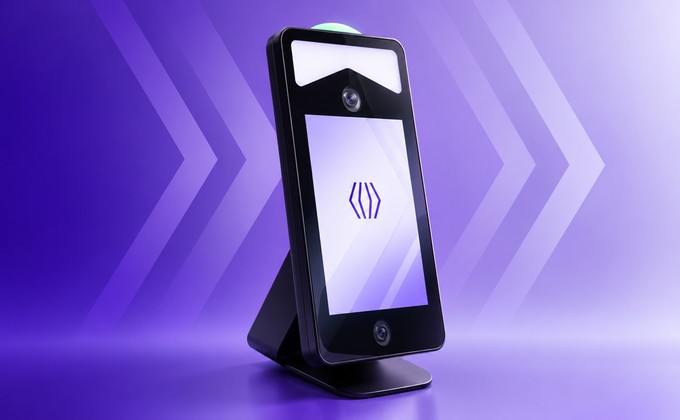
IDEMIA Public Security has launched MFACE Gen2, a new facial recognition device for border agencies, port operators, and carriers.
The company announced the launch on October 8 in an official statement. MFACE Gen2 combines live 3D multi-face tracking, AI-powered facial recognition, and integrated security features in a single device.
Faster biometric processing
MFACE Gen2 is designed for high-throughput traveler processing environments. The system automatically detects, tracks, and captures facial images as people move through the capture area. This enables real-time biometric matching without requiring travelers to stop for manual positioning.
IDEMIA said the device can support families, people with reduced mobility, and travelers wearing glasses or face masks. The company also said the system can help reduce queues and waiting times.
Security and privacy built in
MFACE Gen2 includes several security and privacy features. These include integrated Presentation Attack Detection, secure web services, encrypted communications, and no local storage of biometric data.
The device also includes an embedded computing unit and open architecture. Configurable settings and a compact footprint are designed to simplify integration into existing passenger-processing environments.
“Amid rising traveler volumes, verifying travelers’ identities quickly and accurately without disrupting passenger flows remains a constant operational challenge,” said Tim Ferris, SVP and Global Head of Travel and Transport at IDEMIA Public Security. “MFACE Gen2 was designed to help organizations meet those demands by delivering fast, accurate, and intuitive identity verification that reduces friction for travelers while supporting secure, seamless passenger processing.”
More than 3,000 MFACE units deployed
MFACE Gen2 builds on an installed base of more than 3,000 MFACE units worldwide.
IDEMIA said those systems are already used across major passenger-processing and border-management programs in air, land, and sea environments.
The new generation is designed to help authorities and operators scale identity verification while limiting the impact on existing infrastructure.