
HID extends mobile credentials beyond door access
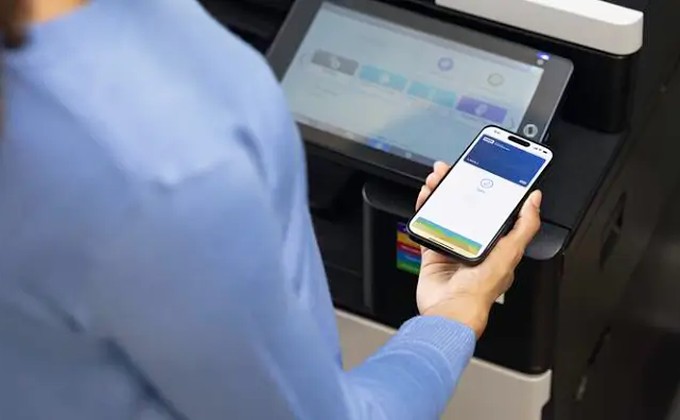
HID is positioning mobile credentials as more than a replacement for physical employee badges. The company says a single credential can connect employees with access control, workstations and other workplace services.
HID deems organizations can extend mobile identity across the workplace. Potential uses include building access, computer authentication, secure printing, smart lockers and desk reservations.
One credential across workplace systems
Traditional employee badges mainly provide access to buildings or restricted areas. HID argues that hybrid work and flexible offices are increasing the number of workplace interactions that require identity verification.
A single mobile credential could replace several authentication methods. These can include physical cards, apps, QR codes, PINs and keys.
Employees could use the same credential to enter a building and authenticate at a workstation. They could also release documents from a secure printer, access a locker or check in at a reserved desk.
Beyond building access
HID identifies workstations, secure printers, smart lockers, meeting rooms, visitor management, kiosks and time-and-attendance systems as potential uses for mobile credentials.
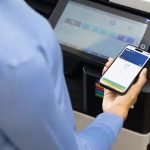
Secure printing is one example. Employees can use their mobile credential to release a print job instead of entering a password or PIN or using another card. HID says this can help prevent sensitive documents from being left unattended.
Mobile credentials can also provide access to smart lockers. This removes the need for separate physical keys or authentication methods.
Reader infrastructure extends mobile identity
HID says wider adoption requires infrastructure that connects mobile credentials with workplace devices and systems.
Desktop readers, embedded modules and other mobile-ready technologies can extend credentials beyond traditional door access. This allows the same digital identity to work with different workplace services.
According to HID, the objective is not simply to reproduce the physical badge on a smartphone. Instead, organizations can build an infrastructure that allows identity to work across a broader range of applications.
As new workplace technologies emerge, a flexible reader ecosystem enables businesses to adapt without creating disconnected solutions.
Centralized credential management
HID also highlights centralized credential management and remote provisioning.
Organizations can issue mobile access to new employees without waiting for a physical badge. They can also update or remove access remotely when an employee changes roles or leaves the organization.
The company sees this combination of mobile identity and reader infrastructure as a way to simplify workplace access while retaining centralized control over credentials.
The future of workplace access is not about replacing one badge with one smartphone. It is about creating a single identity that works everywhere employees need it to — across entrances, devices, services and experiences.
HID links this approach to its OMNIKEY technology. Its mobile-ready readers and embedded modules are designed to connect mobile credentials with partner devices and workplace applications.