
Success Is Measured by the Value We Create
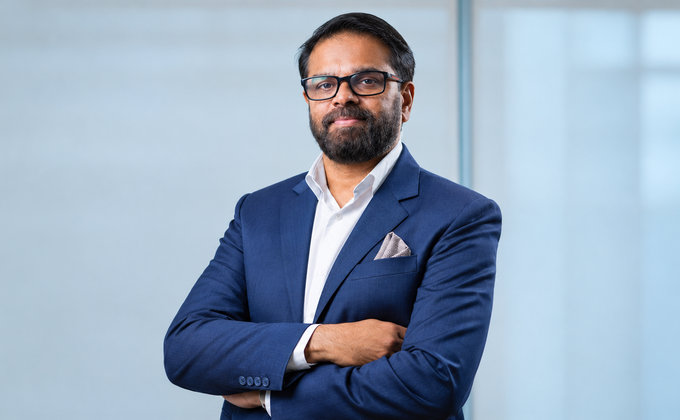
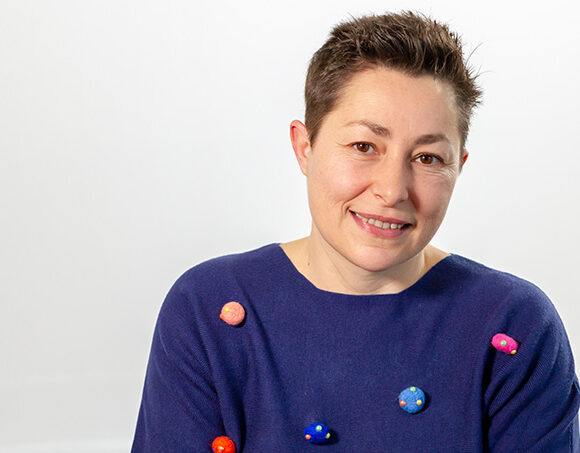
ScreenCheck Middle East CEO Faisal Mohamed discusses the company’s evolution from distribution toward a broader technology-partner role, the importance of logistics and technical expertise, regional growth opportunities, supply chain resilience and the technologies shaping the next phase of the Middle East security market.
By: Damir Muharemović E-mail: editorial@asmideast.com
a&s Middle East: You have spent many years in the security and technology industry. Could you tell us about your professional journey, your current role at ScreenCheck Middle East, and the vision that drives the company today?
Mohamed: My professional journey has been closely connected to the evolution of the security and technology industry in the Middle East and Africa. Over the years, I have seen the industry move from traditional, standalone security products toward integrated, intelligent, and technology-driven solutions. What makes this industry particularly interesting is that security is no longer simply about protecting a building or controlling access to a facility. It is about protecting people, assets, information, and business continuity. Technology now plays a critical role in how organizations manage risk, improve operational efficiency, and make informed decisions. Throughout my career, I have learned that success in this industry requires more than product knowledge. It requires an understanding of customer challenges, strong relationships with technology manufacturers, a capable partner ecosystem, and the ability to translate technology into practical business outcomes.
We see ourselves as more than a distributor. We aim to be a trusted technology partner
At ScreenCheck Middle East, our focus is on connecting leading global technology providers with the regional market and helping our partners deliver effective security and identification solutions. We see ourselves as more than a distributor. We aim to be a trusted technology partner that brings together products, technical expertise, market knowledge, logistics, and ongoing support. Our vision is to build a business that creates sustainable value for manufacturers, system integrators, and end customers. We want our partners to see ScreenCheck as an organization that helps them grow, enter new markets, access new technologies, and deliver projects with greater confidence.
a&s Middle East: ScreenCheck has grown into one of the Middle East’s leading value-added distributors of security and identification solutions. How would you describe the company’s evolution over the past two decades, and what have been the key milestones in that journey?
Mohamed: Over the past two decades, the market has developed considerably. Customers have become more sophisticated, projects have become more complex, and the expectations placed on technology providers have increased. What was once primarily a product-oriented market has become a market that increasingly demands integration, technical expertise, reliability, and long-term support. For a distribution business, evolving with this market means continuously developing new capabilities. It is not enough to establish relationships with manufacturers and make products available. A successful distributor must understand the applications, develop the local market, train partners, maintain appropriate stock, and provide technical assistance throughout the project lifecycle. For me, the most important milestone in any company’s evolution is the point at which the market begins to recognize it not simply as a supplier, but as a trusted partner that contributes to the success of projects. As we look ahead, the next phase of ScreenCheck’s development should be about strengthening these foundations, embracing emerging technologies, and creating more value through integration expertise.
a&s Middle East: Distribution today is about much more than moving products from manufacturers to customers. How is ScreenCheck’s distribution network structured across the Middle East, which countries do you currently serve, and what role do your warehousing and logistics capabilities play in supporting partners?
Mohamed: ScreenCheck has built a strong distribution network across the Middle East, supported by local market knowledge and long-standing relationships with our partners. We serve multiple markets across the region, with a focus on delivering the right solutions, technical support, and reliable product availability. Our warehousing and logistics capabilities are critical to this model. They help us maintain stock availability, reduce delivery lead times, and respond quickly to market demand. Ultimately, our goal is to make it easier for our partners to serve their customers efficiently and grow their businesses with confidence.
a&s Middle East: From your perspective, what defines a successful value-added distributor today? Is it inventory, technical expertise, partner support, logistics, or something else?
Mohamed: A successful value-added distributor brings together all these elements, but the real differentiator is the value it creates for its partners. Inventory and logistics ensure product availability, technical expertise builds confidence, and strong partner support helps deliver successful projects. At ScreenCheck, we believe our role goes beyond distributing products. We connect global technology manufacturers with local market opportunities, provide technical and commercial support, and help our partners grow their businesses. Ultimately, success is measured not just by the products we sell, but by the long-term relationships we build and the value we create across the entire ecosystem.
a&s Middle East: The Middle East has experienced significant geopolitical uncertainty and supply chain disruptions in recent years. How have these developments affected the distribution business, and what strategies has ScreenCheck adopted to ensure product availability and business continuity?
Mohamed: Geopolitical uncertainty has made supply chain planning more challenging, particularly in terms of lead times, shipping costs, and product availability. In distribution, the key is to remain agile and anticipate disruptions rather than simply react to them. At ScreenCheck, our focus is on proactive inventory planning, close coordination with our manufacturing partners, and maintaining strong logistics capabilities. We also work closely with our channel partners to understand demand and prioritize critical requirements. Ultimately, our approach is to diversify risk, maintain flexibility, and ensure business continuity while continuing to deliver reliable support to our partners and customers.
a&s Middle East: Security markets across the Middle East are evolving at different speeds. How would you assess the current state of the market in countries such as Saudi Arabia, the UAE, Qatar, Oman, Syria, Kuwait and Bahrain? Where do you see the strongest growth opportunities, and what challenges remain?
Mohamed: I would say Saudi Arabia and the UAE remain our key growth markets, but each country offers different opportunities. Saudi Arabia is driven by large-scale infrastructure development, Vision 2030, and growing demand for advanced security solutions. The UAE is a mature and technology-driven market, with strong opportunities in smart buildings, data centers, biometrics, and integrated access control.
We should not approach the region as one uniform market; our success will depend on understanding each country’s needs and delivering the right solutions at the right time.
Recent industry research also points to continued investment in modern physical security in Saudi Arabia. For ScreenCheck, the priority is to adopt a country-specific strategy, strengthen local partnerships, and invest in technical expertise and reliable product availability. We should not approach the region as one uniform market; our success will depend on understanding each country’s needs and delivering the right solutions at the right time.
a&s Middle East: Finally, looking ahead, how do you expect the security market in the Middle East to evolve over the next five years, and what role do you see ScreenCheck playing in that transformation?
Mohamed: I expect the Middle East security market to become more technology-driven, integrated, and intelligence-led. We will see greater adoption of AI, biometrics, mobile credentials, and cloud-based access control, alongside growing demand from data centers, smart cities, and critical infrastructure. Security will increasingly be viewed as a strategic investment rather than simply a compliance requirement. For ScreenCheck, this creates an exciting opportunity to evolve beyond traditional distribution and become a strategic technology partner to our manufacturers and channel partners. Our focus will be on bringing innovative solutions to the region, strengthening our technical capabilities, developing our partner ecosystem, and ensuring reliable product availability. Ultimately, I believe our future success will depend on how well we anticipate market needs, embrace new technologies, and help our partners build their capabilities. Our ambition is not simply to grow with the market, but to help shape the future of security in the Middle East.